* All product/brand names, logos, and trademarks are property of their respective owners.
If the last decade was about digital transformation, then 2026 is where things truly get real — literally and virtually. We’re stepping into a world where artificial intelligence (AI), augmented reality (AR), and automation no longer exist as siloed buzzwords. Instead, they’re converging to reshape industries, redefine how we live and work, and create a hybrid future that once felt like science fiction.
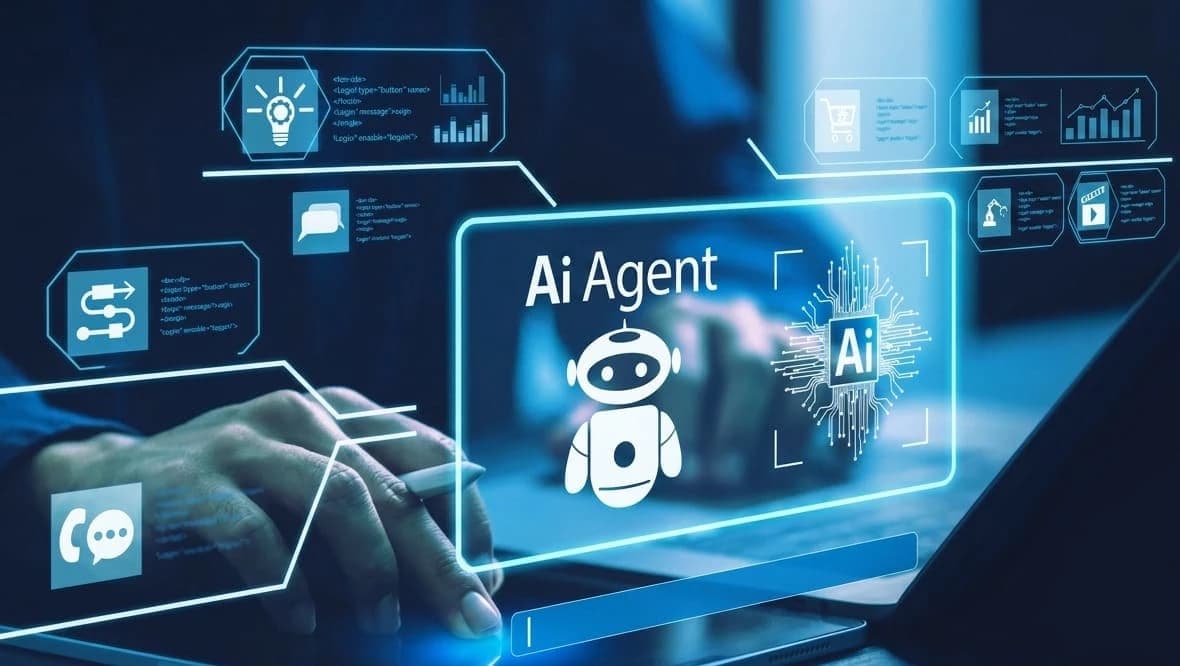
AI in 2026 is no longer just about smart assistants or chatbots. It's evolving into agentic systems — capable of decision-making, learning in real-time, and even forming relationships with human users. Meanwhile, AR has grown from playful filters and gaming gimmicks into a powerful interface for work, education, and everyday interaction. Think smart glasses offering real-time translations, hands-free medical visualizations, or immersive virtual shopping from your couch.
And automation? It’s getting a glow-up. We’re not just talking about repetitive task bots anymore. Hyperautomation — the combination of AI, machine learning, and robotic process automation — is transforming everything from supply chains to customer service to software development. What used to take teams of people can now be done faster, smarter, and more accurately — with humans overseeing strategy, not just execution.
So, what happens when these three forces combine?
We’re diving deep into the real tech trends of 2026. We’ll explore what’s hype and what’s happening, how these technologies are working together across industries, and most importantly, what it all means for you. Whether you’re a business owner, tech enthusiast, creative, or just future-curious, get ready to see how AI, AR, and automation are creating the digital fabric of our next chapter.
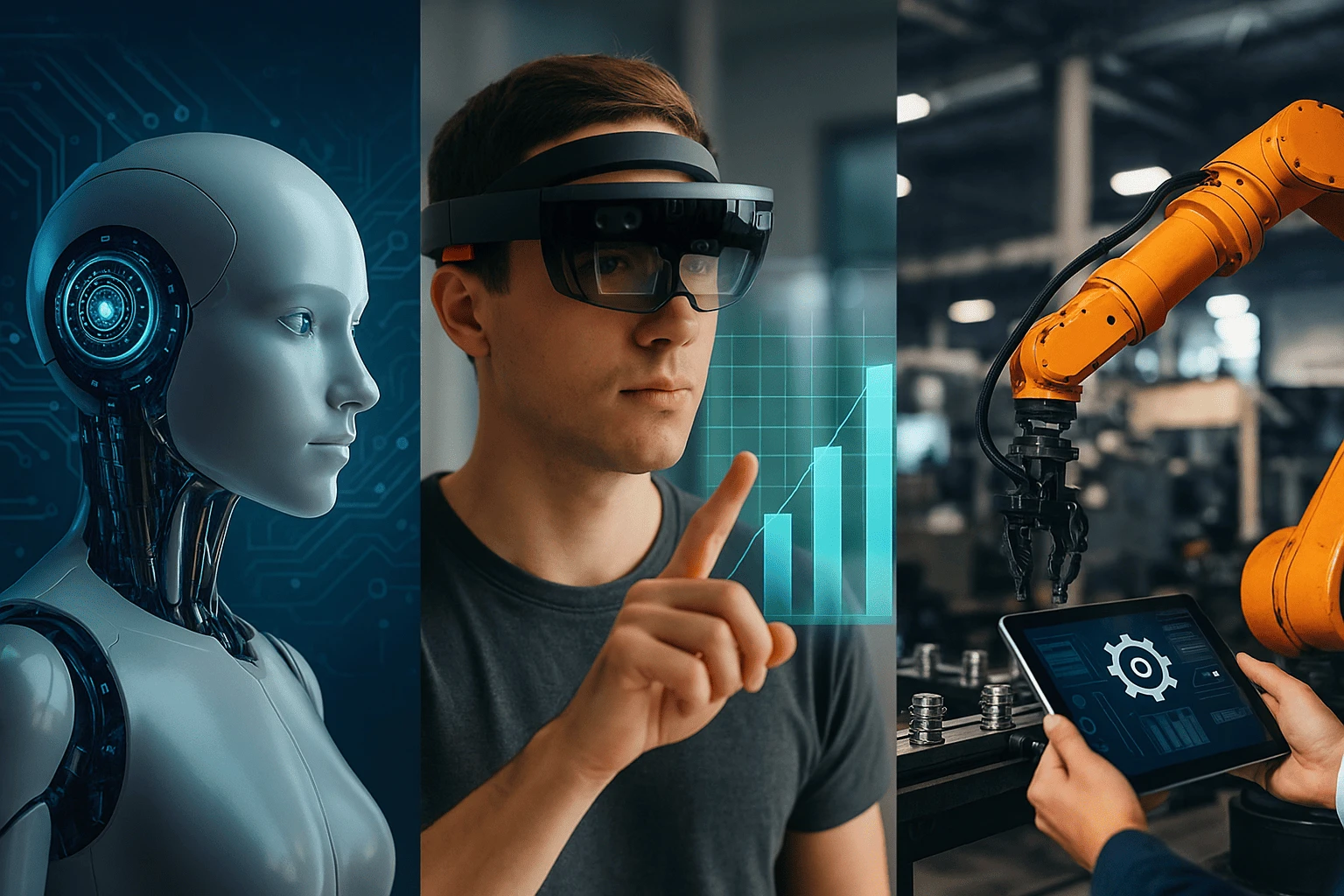
In 2026, we’re not witnessing three separate tech trends — we’re watching them merge into something far more powerful. AI, AR, and automation are converging to build a digital ecosystem where machines don’t just assist us — they actively collaborate with us. This intersection is shaping everything from workplace operations to healthcare, retail, education, and even how we socialize.
Artificial Intelligence is no longer just crunching data behind the scenes — it's becoming a visible, interactive part of the decision-making chain. Agentic AI models can understand complex goals and execute tasks independently, almost like digital co-workers. In finance, for instance, AI systems now help analysts make real-time investment decisions. In logistics, they reroute entire supply chains in seconds when disruptions occur.
What’s unique in 2026 is not just AI’s intelligence, but its presence. Integrated with AR, AI can now offer real-time guidance via smart glasses — whether you’re fixing a machine, managing a team, or exploring a city.
AR has finally matured. No longer limited to gaming or Snapchat filters, it’s now embedded in education, healthcare, and commerce. Students in remote regions are using AR headsets to attend virtual classrooms with 3D holographic teachers. In operating rooms, surgeons rely on augmented overlays to guide complex procedures — reducing risk and improving precision.
In retail, AR allows customers to try on clothes, preview furniture in their homes, or test makeup — all virtually, from anywhere. The experience is immersive, interactive, and driven by AI personalization.
Automation isn’t just about replacing jobs — it’s about upgrading how we work. In 2026, hyperautomation links AI, low-code tools, and robotic process automation to streamline entire business functions. For example, a single automation system might onboard a new employee, assign them a workspace, create accounts, and set training tasks — without any human intervention.
Companies worldwide, from tech startups in Singapore to logistics giants in Europe, are using this to scale faster and smarter. The focus has shifted from cost-saving to efficiency, speed, and scalability.
By 2026, AI, AR, and automation are no longer experimental — they’re integrated into real-world systems, influencing our daily lives in visible and invisible ways. From how cities run to how people work and connect, the fusion of these technologies is building smarter societies and transforming expectations.
Cities are getting an intelligence upgrade — not just with sensors and data, but with user-centric experiences. In places like Seoul, Toronto, and Dubai, residents are using AR-powered navigation apps that overlay directions and public transport info directly on their view through smart glasses.
AI systems manage everything from traffic flow to energy consumption, creating sustainable, efficient environments. In Pakistan, experimental programs are using AI for urban planning — analyzing population data to recommend school, road, and hospital placements.
AR is also making everyday life smoother. Imagine pointing your phone at a restaurant menu and seeing allergy alerts, nutritional info, or reviews pop up in your own language. That’s not the future — it’s already here.
Rather than replacing people, 2026’s automation trends focus on partnering with them. In manufacturing, wearable AR devices show assembly line workers step-by-step instructions while AI monitors safety and performance in real-time.
In creative industries, AI tools help generate design ideas, write first drafts, or build storyboards — while humans refine and direct the vision. We’re entering an era where human intuition and machine efficiency complement each other.
This shift is especially noticeable in emerging economies, where automation boosts productivity without demanding massive infrastructure overhauls. Small businesses in South Asia, for instance, are automating customer support via localized AI chatbots that understand regional languages and slang.
As powerful as these technologies are, they raise complex questions. Who’s accountable when AI makes a wrong call? How do we manage privacy in a world filled with AR overlays and facial recognition?
In 2026, countries are racing to establish digital rights frameworks. The EU leads with strict AI governance, while others like Japan and the UAE are experimenting with balanced, innovation-friendly policies. Meanwhile, voices from civil society are demanding ethical AI — pushing back against bias, surveillance, and unregulated use.
The big takeaway? Technology doesn’t shape society alone — humans shape how we use it. And in this hybrid era, thoughtful design, clear policies, and ethical development will matter more than ever.
As we’ve seen, 2026 isn’t just another year in tech — it’s a transformational milestone. AI, AR, and automation aren’t operating in silos anymore; they’re working together to build a dynamic, interconnected world. Whether it’s agentic AI making real-time decisions, AR enhancing how we interact with physical spaces, or hyperautomation streamlining entire industries, the digital landscape is evolving fast — and we’re all part of it.
But here’s the thing: this future isn’t just for developers, startups, or Silicon Valley elites. It’s for you. Whether you’re a freelancer, small business owner, student, marketer, or teacher, the convergence of these technologies will influence how you learn, work, shop, socialize — even how you think.
So how can you stay ahead?
Start by embracing a learning mindset. Explore how AI tools can support your workflow — not just replace it. Stay informed about AR developments and consider how visual technology could elevate customer or user experiences in your field. And don’t fear automation — learn how to work with it, not against it.
Equally important: advocate for responsible tech. As these systems grow smarter and more powerful, we need human-centered design, clear regulations, and ethical frameworks to ensure they serve everyone — not just the few.
The future isn’t written yet. But one thing’s clear: those who understand the why behind the tech — not just the what — will be best prepared to thrive.
So, are you ready to be part of the digital revolution shaping 2026?
You May Also Like to Read
Building an AI Future: How Pakistan Can Lead the World?

I am Zeenat, an SEO Specialist and Content Writer specializing in on-page and off-page SEO to improve website visibility, user experience, and performance.
I optimize website content, meta elements, and site structure, and implement effective off-page SEO strategies, including link building and authority development. Through keyword research and performance analysis, I drive targeted organic traffic and improve search rankings.
I create high-quality, search-optimized content using data-driven, white-hat SEO practices, focused on delivering sustainable, long-term growth and improved online visibility.
White-collar work is no longer protected from automation just because it happens behind a laptop ins
1 June 2026
Flagship smartphones look and feel incredible—but their price tags don’t always make sen
1 May 2026
Apple’s next major software update, iOS 27, is already generating buzz across the tech world&m
21 April 2026
Be the first to share your thoughts
No comments yet. Be the first to comment!
Share your thoughts and join the discussion below.