* All product/brand names, logos, and trademarks are property of their respective owners.
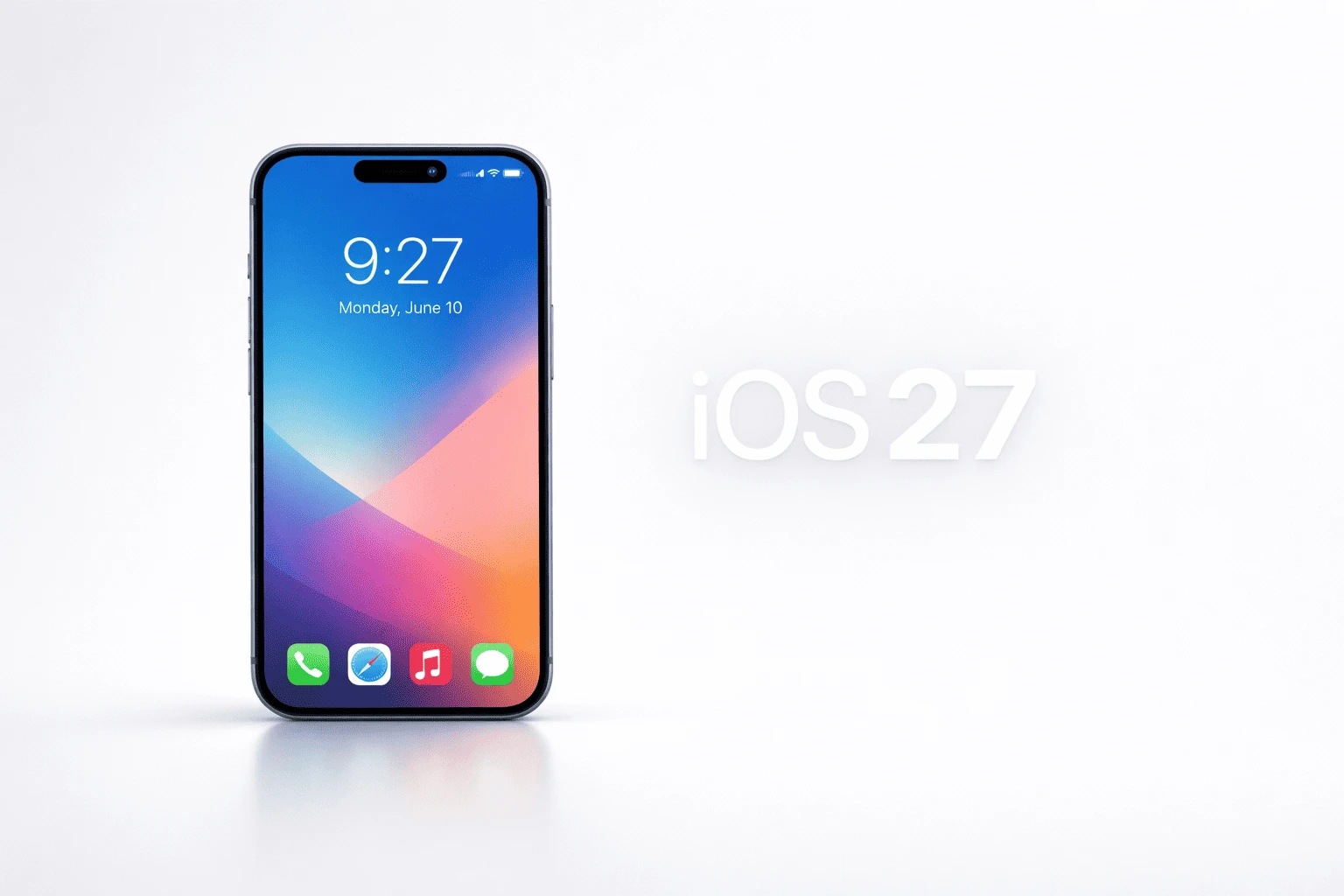
Apple’s next major software update, iOS 27, is already generating buzz across the tech world—even before any official announcement. As with every iOS release, expectations are high, with users looking forward to smarter features, smoother performance, and meaningful upgrades that actually improve daily iPhone use.
While Apple hasn’t revealed everything yet, a mix of early reports, industry patterns, and credible leaks gives us a fairly good idea of what to expect. From potential AI-driven improvements to changes in design and device support, iOS 27 is shaping up to be another important step in Apple’s software evolution.
Here’s a clear, no-hype breakdown of what we know so far—and what it could mean for iPhone users worldwide.
Apple has not formally unveiled iOS 27 yet, but the most likely announcement date is June 8, 2026, during the opening keynote of WWDC 2026. Apple has officially confirmed that this year’s developer conference runs from June 8 to June 12, and WWDC is traditionally where the company introduces the next major versions of iOS, iPadOS, macOS, watchOS, and more.
That means iOS 27 is widely expected to follow Apple’s usual software rollout pattern:
Apple has not yet published an official iOS 27 release schedule, but this timeline lines up with how Apple typically handles major iPhone software updates and with current reporting on the expected iOS 27 launch window. Apple’s developer releases page also shows the company is still actively shipping iOS 26.x builds, which fits the usual pattern of finishing the current cycle before the next major version is introduced at WWDC.
For readers, the key thing to watch is the WWDC keynote on June 8. That is the moment when Apple is most likely to confirm the name, core features, supported devices, and beta timeline for iOS 27. Until then, nearly everything beyond the event date remains educated expectation rather than official confirmation.
Early reports suggest iOS 27 will focus more on AI and stability than on a dramatic top-to-bottom redesign. Several outlets also say Apple is preparing features that could support new hardware categories, including a foldable iPhone, while continuing to expand Apple Intelligence.
Here are the main features being talked about right now:
At this stage, the biggest takeaway is simple: iOS 27 looks less like a cosmetic overhaul and more like a refinement release with bigger AI ambitions. Apple still has not officially announced these features, so the final lineup could change before WWDC 2026.
At this stage, most information about iOS 27 comes from leaks and industry reports. Apple hasn’t officially confirmed feature details yet, so it’s important to separate what’s likely from what’s still speculative.
Here’s a clear breakdown:
| Feature | Status | What It Means |
|---|---|---|
| AI-powered Siri upgrade | Rumored (Strong) | More natural conversations and smarter responses |
| Expanded Apple Intelligence tools | Rumored (Strong) | Better writing, summaries, and system-wide AI help |
| Performance & stability improvements | Highly Likely | Smoother experience, fewer bugs, better battery handling |
| UI refinements (Liquid Glass tweaks) | Rumored | Small visual improvements rather than a full redesign |
| Foldable iPhone support features | Early Rumor | May prepare iOS for future hardware changes |
| Major visual redesign | Unlikely | No strong reports suggesting a big UI overhaul |
At this point, the safest expectation is this:
iOS 27 will likely feel smarter and smoother—not completely different.
One of the biggest questions with any new iOS release is simple: will your iPhone still be supported?
Apple hasn’t officially confirmed the compatibility list for iOS 27 yet, but based on its usual update cycle and current device lineup, we can make some strong predictions.
Expected iOS 27 Compatibility
| iPhone Model | Expected Support |
|---|---|
| iPhone 16 series | Yes |
| iPhone 15 series | Yes |
| iPhone 14 series | Yes |
| iPhone 13 series | Yes |
| iPhone 12 series | Likely |
| iPhone 11 series | Uncertain |
| iPhone XS / XR | Likely Dropped |
Apple typically supports iPhones for around 5–6 years. That means:
If dropped, these devices won’t receive iOS 27 but may still get security updates for a limited time.
Even if your iPhone supports iOS 27, performance may vary:
Overall, iOS 27 is expected to continue Apple’s trend: broad support, but with smarter features favoring newer devices.
Beyond the headlines and feature lists, what really matters is how iOS 27 will feel in day-to-day use. Based on what’s expected so far, the changes may be subtle—but still meaningful.
If Apple sticks to its current direction, iOS 27 could focus heavily on optimization.
This is especially important for users on slightly older iPhones.
Battery performance often improves with optimization-focused updates.
That said, older devices may still see mixed results, especially right after updating.
With AI expected to play a bigger role, everyday tasks could feel more intuitive:
The real benefit: saving time on small, repetitive tasks.
Even without a major redesign, small tweaks can make a difference:
These aren’t flashy changes—but they’re the ones users notice over time.
iOS 27 may not completely change how your iPhone looks—but it could quietly improve how it works every day.
And in many cases, that kind of upgrade is more valuable than a dramatic redesign.
When iOS 27 rolls out, the decision to upgrade won’t be the same for everyone. It depends on your device, how you use your iPhone, and how comfortable you are with early updates.
iOS 27 is shaping up to be a refinement-focused update with a strong push toward AI and smarter user experiences. While it may not introduce a bold new design, the expected improvements in performance, intelligence, and usability could make a real difference in everyday use. With a likely release in September 2026, users still have time to decide whether to upgrade immediately or wait for a more stable version. Either way, iOS 27 continues Apple’s steady approach: evolving the iPhone experience without reinventing it overnight.

I am Zeenat, an SEO Specialist and Content Writer specializing in on-page and off-page SEO to improve website visibility, user experience, and performance.
I optimize website content, meta elements, and site structure, and implement effective off-page SEO strategies, including link building and authority development. Through keyword research and performance analysis, I drive targeted organic traffic and improve search rankings.
I create high-quality, search-optimized content using data-driven, white-hat SEO practices, focused on delivering sustainable, long-term growth and improved online visibility.
White-collar work is no longer protected from automation just because it happens behind a laptop ins
1 June 2026
Flagship smartphones look and feel incredible—but their price tags don’t always make sen
1 May 2026
WhatsApp is rolling out a fresh visual update, and it’s already getting attention for its slee
20 April 2026
Be the first to share your thoughts
No comments yet. Be the first to comment!
Share your thoughts and join the discussion below.